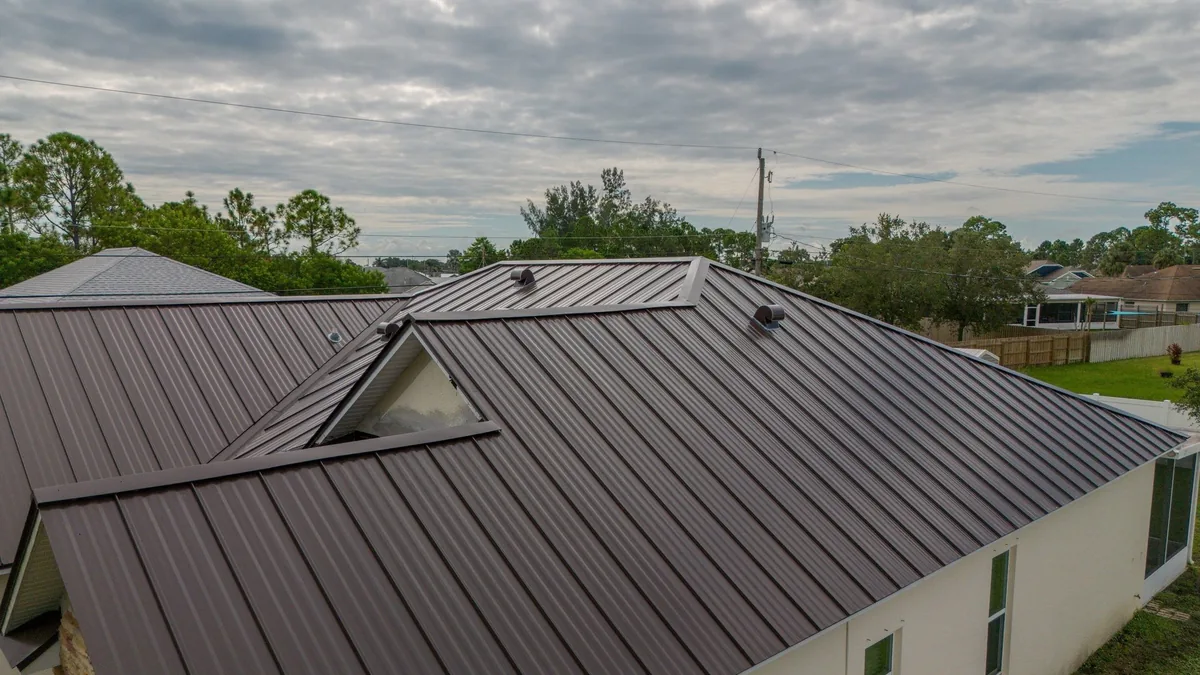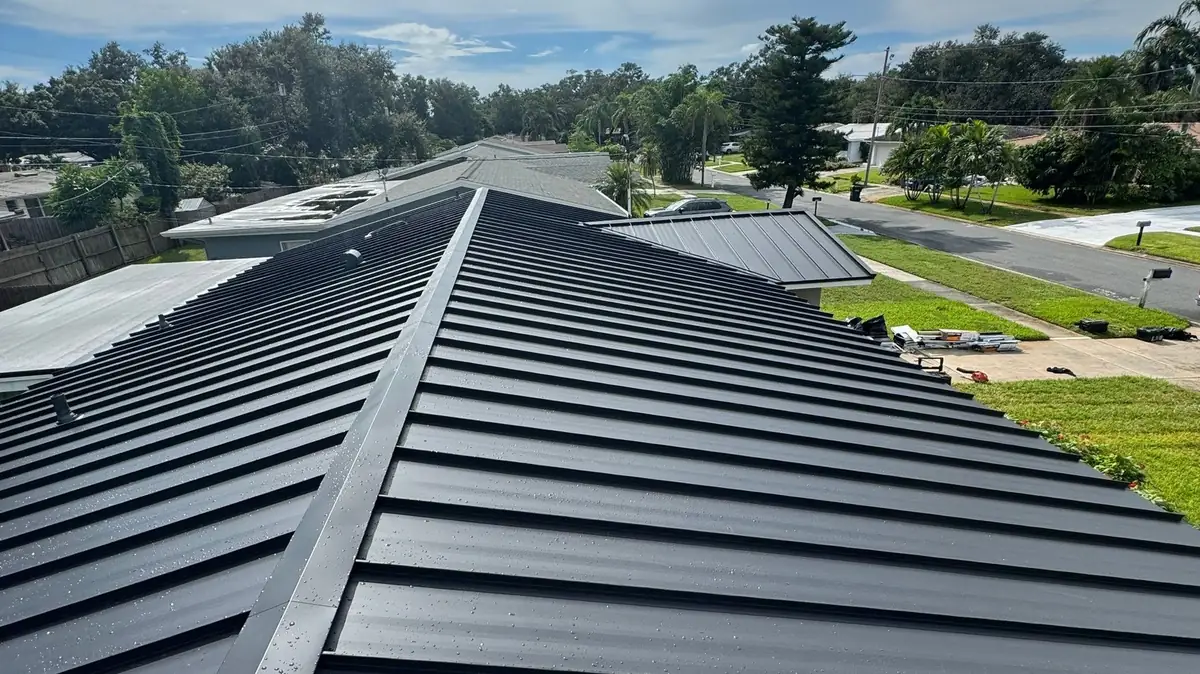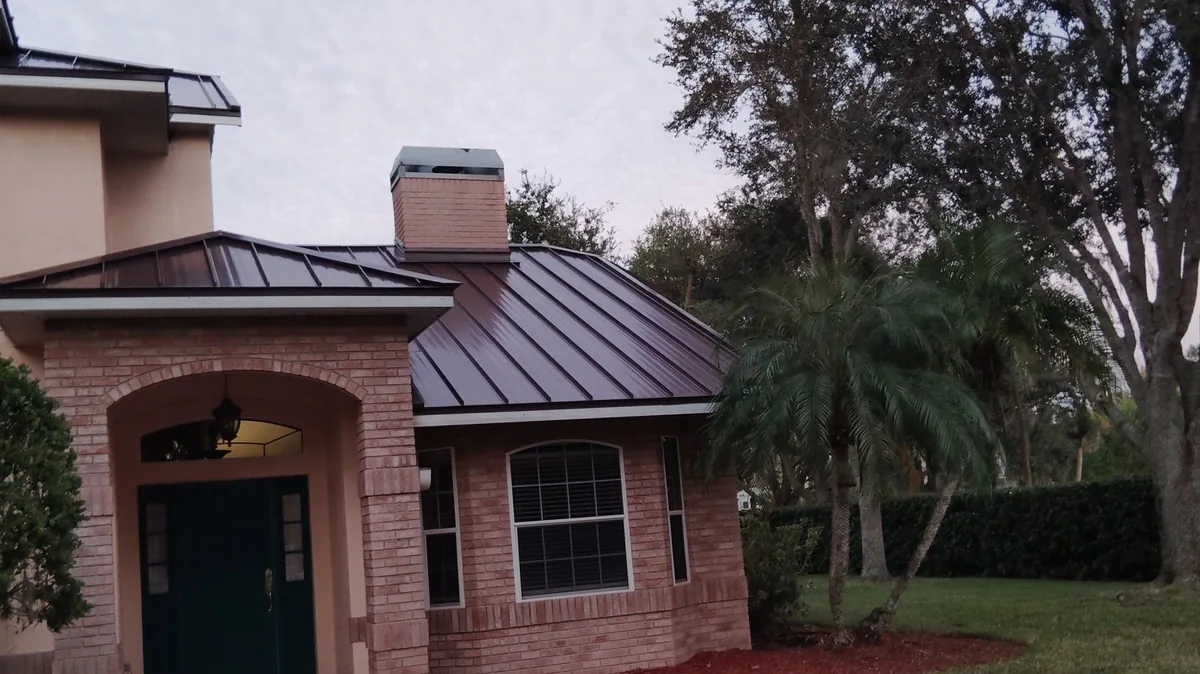
If your home has a shingle roof today, replacement time is a natural moment to ask whether tile or metal might suit it better. Plenty of Florida homeowners make that change, from Lakewood Ranch and Clearwater to Wellington and Port St. Lucie.
Neal Roofing replaces roofs on Gulf Coast and Atlantic coast homes alike. This guide skips the sales pitch and walks through what physically changes on your roof when you switch materials, so you know what to expect.
Can your home carry tile or metal? Weight and structure
The biggest difference between the three materials is weight, and it's the first thing to sort out.
Metal is the lightest of the three. Most metal roof systems weigh less than the shingles they replace, so a home built to carry shingles can usually carry metal without structural changes.
Tile is a different story. Concrete and clay tile weigh much more than shingles. That doesn't rule tile out, but it does mean the roof framing has to be up to the job. Neal's team checks the structure during the estimate, so you'll know whether your home is ready for tile before you choose one.
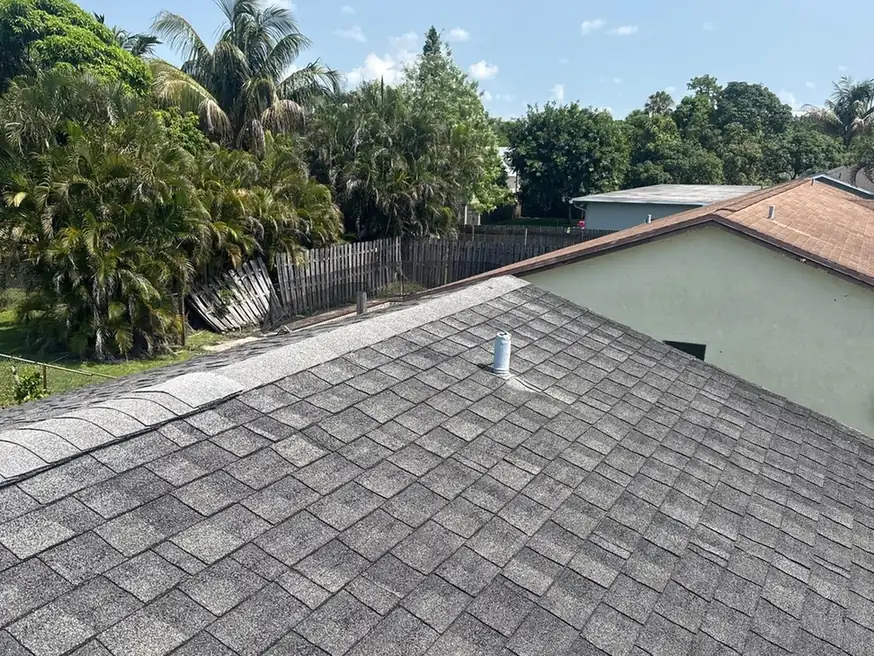 Before
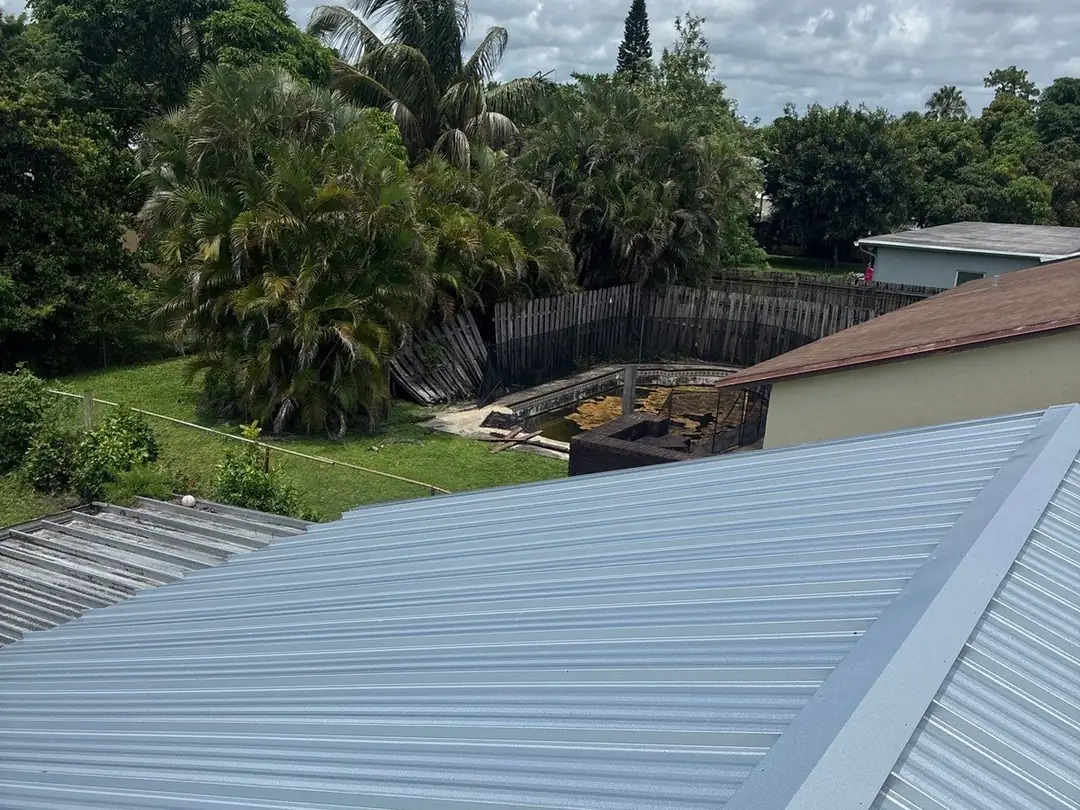 After
Why does this matter so much? A home's roof framing was designed around the roof it was built with. Moving to a lighter roof asks nothing extra of that framing. Moving to a heavier one asks it to carry more weight every day for the life of the roof, so it's worth confirming the framing can do that comfortably.
If tile is your goal, it's better to learn this early, before you've picked a color or a profile.
What happens to your roof deck
The roof deck is the layer of wood sheathing your roof sits on. When you switch materials, the old shingles and underlayment come off, so the deck is exposed.
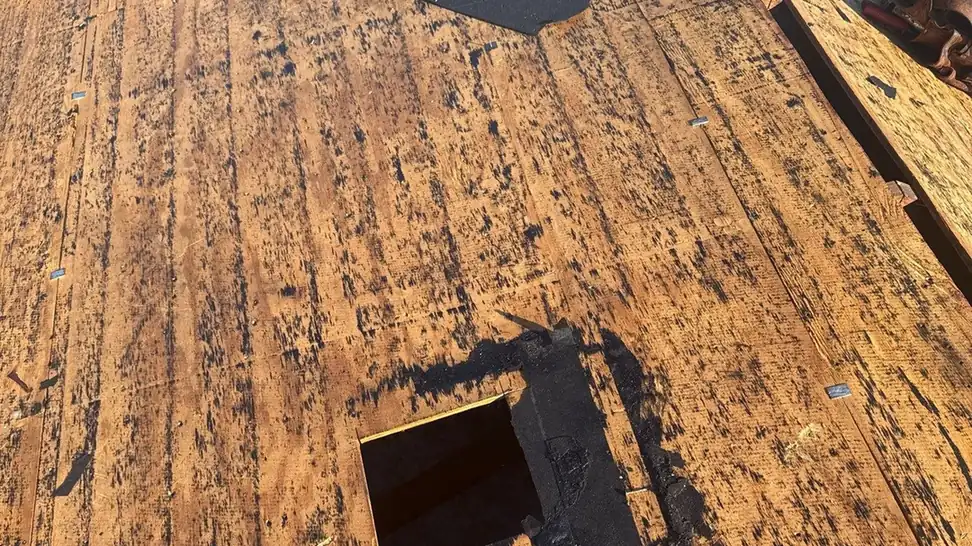
That's a good thing. It's the one time you get a clear look at the deck. On an older home, the original deck fastening may not match what today's Florida code expects for a replacement. Our crew will check the deck and re-nail it where needed before the new underlayment goes on. That way the new roof starts on a solid, well-fastened base, whichever material you choose.
Underlayment, flashing and edges change too
The underlayment is the layer between the deck and the finished roof, and it's not one-size-fits-all. Florida's building code sets separate requirements for each roof covering, so a tile roof and a metal roof each get their own underlayment and installation details.
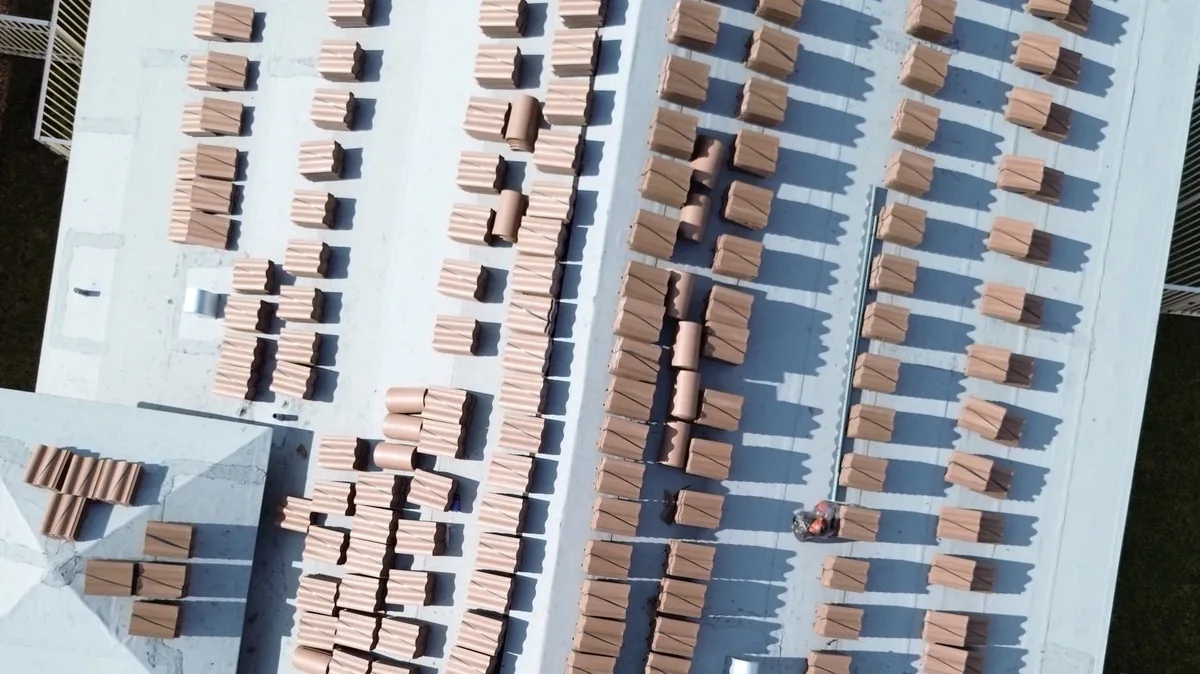
The trim changes too. Flashing at walls, valleys and chimneys, along with the metal at the roof's edges, is shaped and installed to suit the new material. Tile roofs have their own edge and ridge details. Metal roofs use trim made to work with the panels. Your proposal should describe these details for the material you choose, not just the material on top. This is also where workmanship shows most. Careful flashing at walls, valleys and roof edges is a big part of how well any new roof performs over the years.
Permits and HOA approval
A full roof replacement generally needs a building permit from your city or county, and inspectors check the work along the way. Your roofer should pull the permit and schedule the inspections. In many areas, an inspector checks the work partway through, often once the new underlayment is on, and again when the roof is finished. In Florida, roofing products, including tiles, metal panels and underlayments, also have to be approved for use under the state's product approval rules.
If you live in a community with an HOA, changing materials usually needs the association's approval first. Florida law lets an HOA review a home's exterior appearance to the extent its governing documents allow, and many associations keep lists of approved roof materials, profiles and colors. Check your HOA's rules early, before you settle on a look. Many associations ask to see the material, profile and color you plan to use, so have those details ready when you apply. Your roofer can help you gather the product information the HOA needs.
Timeline: what to expect
Every home is different, so your proposal should lay out the expected schedule for your roof. In general, a switch follows these steps:
- Estimate and structure check. During your estimate, we look at your roof, talk through materials and check the structure.
- Approvals. Your HOA approves the new material, if needed, and the permit is issued.
- Tear-off and deck check. The old roof comes off, and the crew will check the deck and re-nail it where needed.
- New underlayment and roof. The underlayment, flashing and new tile or metal go on.
- Inspections and cleanup. Inspections are completed, and the site is cleaned up.
Tile and metal installs usually take longer than a shingle replacement. Throughout the job, you'll get photo updates, so you can see the progress even when you're not home.
Tile or metal: a quick way to decide
If you're still choosing between the two, these questions can help:
- Do you love the classic Mediterranean look? Tile is a natural fit, as long as your structure checks out.
- Do you want the lightest roof, with no structural changes? Metal is the simpler switch.
- Does your HOA limit your options? Start with its approved list.
- Do you live close to salt water? Ask how the metal parts of either roof are chosen for the coast.
To go deeper, read our guides to concrete vs clay tile and standing seam vs exposed-fastener metal. You can also compare the systems on our shingle roofing, metal roofing and concrete tile roof pages.
Paying for the upgrade
Tile and metal are premium materials, and many homeowners prefer to spread the investment over time. Roof financing is available, subject to credit approval. For cost questions, start with a free estimate. We'll walk you through the options for your home and lay out the full scope for each material, so you can compare them side by side.
Frequently asked questions
Can I switch from a shingle roof to tile or metal?
Usually, yes. Metal is light, so most homes that carry shingles can carry metal. Tile is much heavier, so your roofer needs to confirm the roof structure can support it before you commit.
What happens to my roof deck when I change materials?
The old shingles and underlayment come off, so the deck is exposed. Neal will check the deck and re-nail it where needed before the new underlayment goes on.
Do I need a permit or HOA approval to change roof materials?
A full roof replacement in Florida generally needs a building permit. If you live in an HOA, you will usually need its approval before you change materials, so check your HOA's rules early.
Does a tile or metal roof take longer to install than shingle?
Often, yes. Tile and metal installs usually take longer than a shingle replacement. Your proposal should list the expected timeline.
Can I finance a tile or metal upgrade?
Yes. Neal offers financing, subject to credit approval, so you can spread the cost of a tile or metal roof over time.